Read the transcript and production notes
These are independent, AI-assisted projects. Jarvis uses a native interface preview with simulated state and audio input; subtle GPU particles are omitted. Personal Trainer and Treadway use synthetic preview or simulator records. Edge Lab and AI workflow graphics are illustrations. The narrator uses a stock synthetic voice and speaks only my first name. Edge Lab is a private day-trading research and journaling tool; a commercial release is a future direction.
0:00 / Introduction
Paxton builds software around real workflows. His independent projects span a native Mac assistant, connected personal apps, and a research tool for discretionary day traders. He owns the product decisions and the work of making the result dependable.
This is independent, AI-assisted work. Paxton uses AI to accelerate implementation and review, while taking responsibility for architecture, testing, and release decisions. The common thread is making complicated tasks understandable and useful.
0:33 / Jarvis
Jarvis connects voice, screen context, and memory in a local-first Mac assistant. Its native Swift interface and Python service connect everyday requests to specific capabilities, giving the conversation a practical role on the desktop.
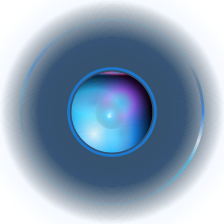
The interface makes its state visible. A compact presence expands as Jarvis wakes, then changes as it listens, reasons, observes, and responds. This preview uses the current native animation code, including its response aura and return to standby.
Speech recognition handles input. Authorized screen capture adds context. Local memory preserves useful information, and different tasks follow different model routes. Together, those pieces connect a request to the right information and the next useful action.
Paxton also worked on interrupted audio, changing permissions, device handoffs, and incomplete actions. Visible confirmation and bounded recovery keep an uncertain result from becoming an automatic repeat.
1:36 / Personal Trainer
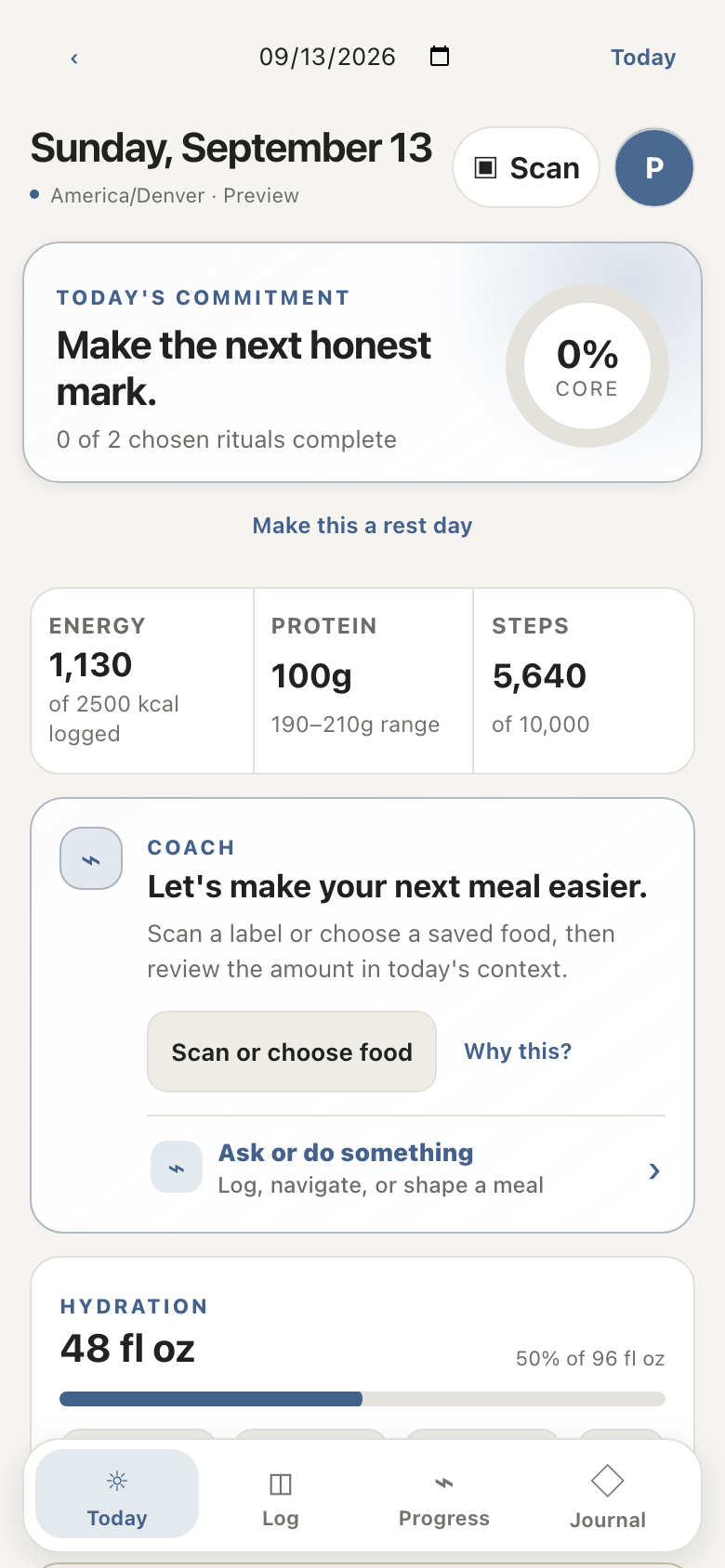
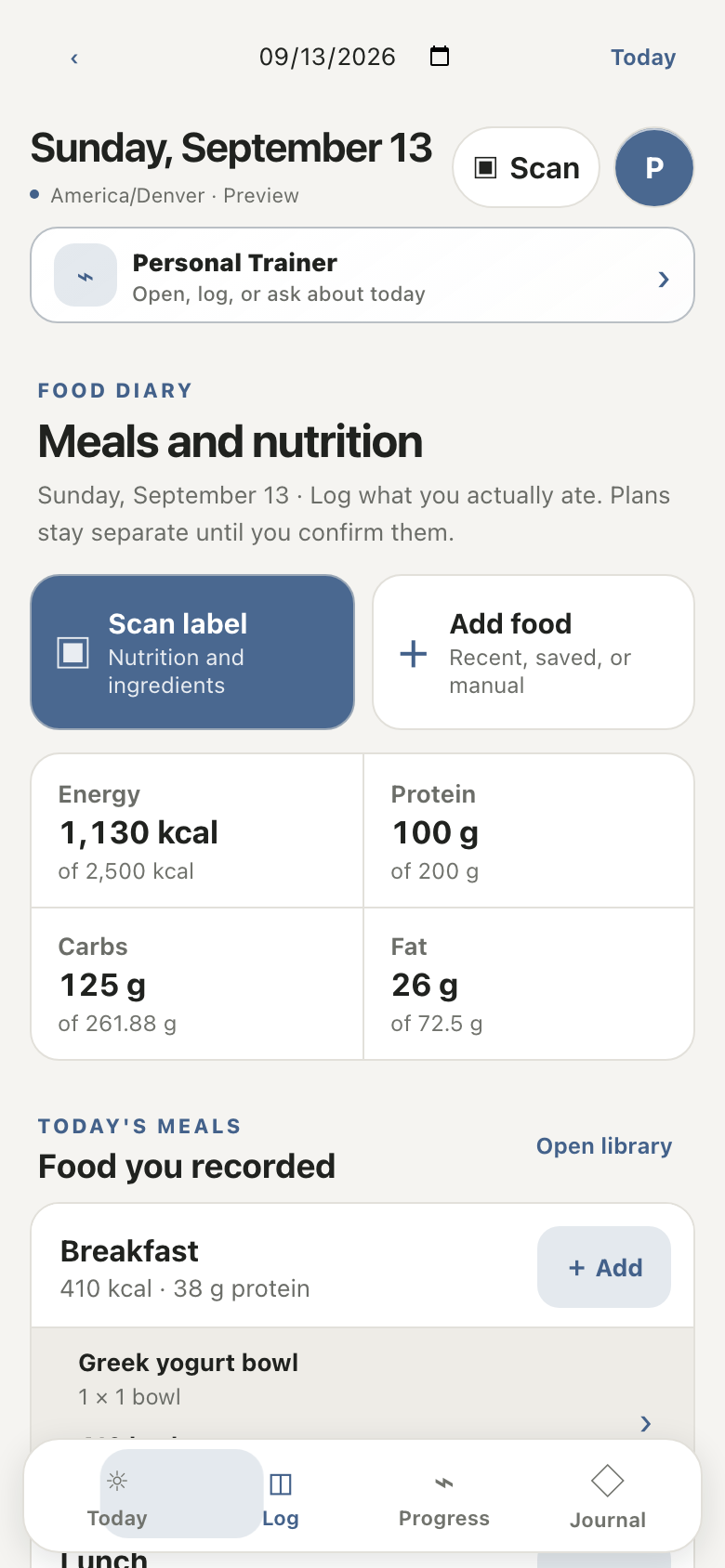
Personal Trainer connects food capture, nutrition, training, recovery, and journaling in a private product. Its iPhone app and responsive web experience organize the day around one connected record.
Food capture starts with on-device label reading and barcode references. The person reviews the product, then chooses the amount eaten. Saving a food stays separate from logging a meal. Missing nutrition values remain unknown until there is evidence to fill them.
Today, Log, Progress, and Journal connect meals, workouts, hydration, sleep, and personal observations. Paxton joins interface design with owner-scoped records, reviewable saves, and optional AI assistance with a specific role.
2:20 / Treadway
Treadway is a separate daily-planning and habit product. A day's markers, hydration, progress, and a short brief come together in a calm mobile experience. The interface makes the next useful step prominent and the day easy to scan.
Paxton carried Treadway's design language into Personal Trainer as a sibling product. They remain separate applications with separate records. Together, they show how he develops an interaction system and adapts useful ideas to a different job.
2:50 / AI Workflows
The AI work extends beyond features inside an app. Paxton defines the task, directs implementation, and uses independent review to challenge the result. Tests and clear acceptance checks turn a fast draft into something he can evaluate.
His tool workflows gather relevant context, build a change, review it independently, and verify the outcome. That is the practical role of AI orchestration here: reduce repeated work while keeping responsibility and decisions clear.
3:22 / Edge Lab
Edge Lab brings that approach to discretionary day trading. It is a private Mac research and review tool for preserving what a trader saw, what they planned, what they chose to do, and what they can learn afterward.
A chart image alone loses meaning quickly. Edge Lab links observations to context and preserves the plan before the result is known. Its journal includes decisions to trade, pass, cancel, or stay out, so review covers more than completed positions.
A winning outcome can hide a weak decision. A losing outcome does not tell the whole story. Edge Lab supports reviewing the process before revealing the result, while preserving corrections as added history instead of replacing the original record.
Live, replay, and historical research stay separate. A bounded evidence packet can go to an independent AI reviewer for criticism. The trader keeps the decision; the reasoning stays available to inspect.
Paxton sees a future product for discretionary traders in this workflow. Today, Edge Lab demonstrates structured trading research and review. A commercial release remains a future direction.
4:33 / Working Together
Across these projects, the strength is the full path: understand the problem, shape the experience, connect the systems, and check the details. Paxton works across Swift, Python, and TypeScript.
For a team turning an unclear workflow into a focused product, automation, or tested implementation, this is the work to explore. Visit the portfolio for projects, case studies, and a conversation with Paxton.
Synthetic narration: Kokoro-82M, stock af_heart voice. Original motion graphics and editing prepared for this film. Download caption file.